
Identify Who Owns Johnson Property
Start with the street address and work toward the recorded deed. Johnson County Beacon shows the Deeded Owner along with the mailing address, property address, parcel ID, and legal-description shorthand. It also covers the last transfer and value. That display gives you two anchors at once. It points to the likely owner and the exact parcel.
- Search the property address in Johnson County Beacon and open the matching parcel.
- Write down the Deeded Owner, situs address, mailing address, APN, and latest transfer reference.
- Check the parcel in JCMAPS so the address and mapped tract agree.
- Use the latest deed through the Johnson County Recorder to confirm the grantee and legal description.
- If the grantee is an entity, cross-check its exact name and status with the Indiana Secretary of State.
This approach answers the ownership question without pretending any single database is a title system. A deed can postdate the assessment roll. And a map's ownership label may simply repeat the roll rather than supply an independent source.
Johnson County Ownership Sources
Every Johnson County or state source answers only a narrow slice of the owner question. Match dates, parcel identifiers, and legal descriptions before treating two similar names as the same party.
| Where ownership appears | What it provides | How current |
|---|---|---|
| Beacon assessment roll | Deeded Owner, mailing and situs address, parcel and transfer clues | Current roll, with possible lag after closing |
| Recorder deed | Grantor, grantee, vesting language, legal description, recording reference | Tracks the newest recorded conveyance |
| JCMAPS | Mapped parcel identification and ownership display | GIS refresh may differ from recording |
| Indiana SOS search | Entity name, address, registered agent, type, and status | Business record, not land title |
The name on a tax bill is not always the name on the land. Someone who pays the bill, receives the mail, or occupies the building may hold no ownership at all. The same goes for a registered agent. The grantee on the controlling deed is stronger evidence of transfer. A title search goes further, checking liens, releases, easements, court orders, and later instruments.
Trace to Johnson's Deeded Owner
Deeded Owner is the field that matters most in Johnson County parcel records. It sits beside the parcel ID, property address, mailing address, legal-description clue, and transfer section. So read them as one cluster. A sample county report lays all of these out together. It also carries a data disclaimer. It warns that its abbreviated legal description should not be used in legal documents.
A right name attached to the wrong tract tells you nothing. It fails to show who owns this property. Check the parcel number character by character, punctuation and suffix included. Then line up the physical address against any subdivision, lot, section, township, or range detail. If the record seems stale after a recent sale, the newest Recorder instrument should drive your next step.
The Treasurer list works as a narrow cross-check by parcel number, name, or property address. But it is flagged Not for Official Use. A tax listing never proves title. Splits and combinations from the last two years can scatter bills. So the Treasurer suggests searching by the owner's last name to catch them all. That trick surfaces related parcel entries without changing which deed still needs confirming.
- Owner of record
- The party named as owner in the maintained public record.
- Grantee
- The party receiving the interest in a recorded deed.
- Situs address
- The physical property address, which can differ from the mailing address.
- Title
- The legal ownership interest, which is broader than a name shown on a tax roll.
Confirm Johnson Ownership by Deed
Deeds and related instruments live with the Johnson County Recorder. Laredo subscribers can pull recorded images remotely under the county agreement. Remote access may not surface the index entry you need. It may also miss the image. In that case, the Recorder counter is the fallback. The Recorder publishes no public online cutoff year or full field list. No safe date can be promised for searching deed records online.
Carry the owner name and transfer clue from Beacon into your deed search. In the newest deed, compare grantee, grantor, legal description, recording date, and the book-page or instrument number. Watch for later deeds, affidavits, survivorship filings, transfer-on-death instruments, or court-based conveyances. A recorded name answers more than the tax roll alone. A full title opinion still calls for broader professional review.
Identify a Johnson Entity Owner
Sometimes the owner of record is an LLC, corporation, trust, or estate. Keep that recorded party intact. A person's name in a related file does not replace it. Run the exact business name through the Indiana Business Search. Official guidance says results can include the entity name, address, registered agent, and status.
A registered agent is a legal contact point, nothing more. Agent status does not show that the agent owns or occupies the parcel. Trust details may be missing from the business system entirely. Keep punctuation and legal suffixes exact. Test a former name where the system allows it. Then go back to the deed for the real grantee and vesting language.
Note: Active business status confirms state filing status, not ownership of Johnson County land.
Estates Can Delay the Owner Trail
A death can leave the Beacon owner unchanged while probate is still open. Search the decedent through MyCase for a will, letters, inventory, and sale authority. The Johnson County Clerk can supply the closing order too. Then check the Recorder for an executor, administrator, or personal-representative deed. Look also for a trustee, survivorship, or transfer-on-death instrument.
An obituary, family statement, will, or probate inventory can help you locate the estate. None of them alone proves the land moved. Match the estate parcel and legal description to the final recorded instrument. That step prevents an error. It keeps you from naming an heir as the property owner too soon. The controlling deed or court-authorized conveyance must be recorded first.
Treat the death date, probate opening, fiduciary appointment, and court authority as separate events. Deed recording and estate closing are separate events too. They can land in different months or even different years. When an estate holds several parcels, search each APN plus the fiduciary name. Never assume one deed covers every tract of Johnson County land.
Johnson Owner Alerts Are Free
Recording a document is cheap and fast. That convenience cuts both ways, so the Johnson County Recorder offers a safeguard. Owners can sign up through the free Property Fraud Alert service. A name attached to your property may show up in newly recorded deed records or other filings. The service then sends a notice. You can reach the Recorder right away.
An alert is only a signal. It does not block a deed from recording, and it settles nothing about validity. If one arrives, save the recording number and date. Then call the Recorder at 317-346-4385 through the official county contact. Serious problems may call for a correction, a release, or a court filing. They may also call for help from a title professional or attorney.
The official Property Fraud Alert signup appears on the county's page.
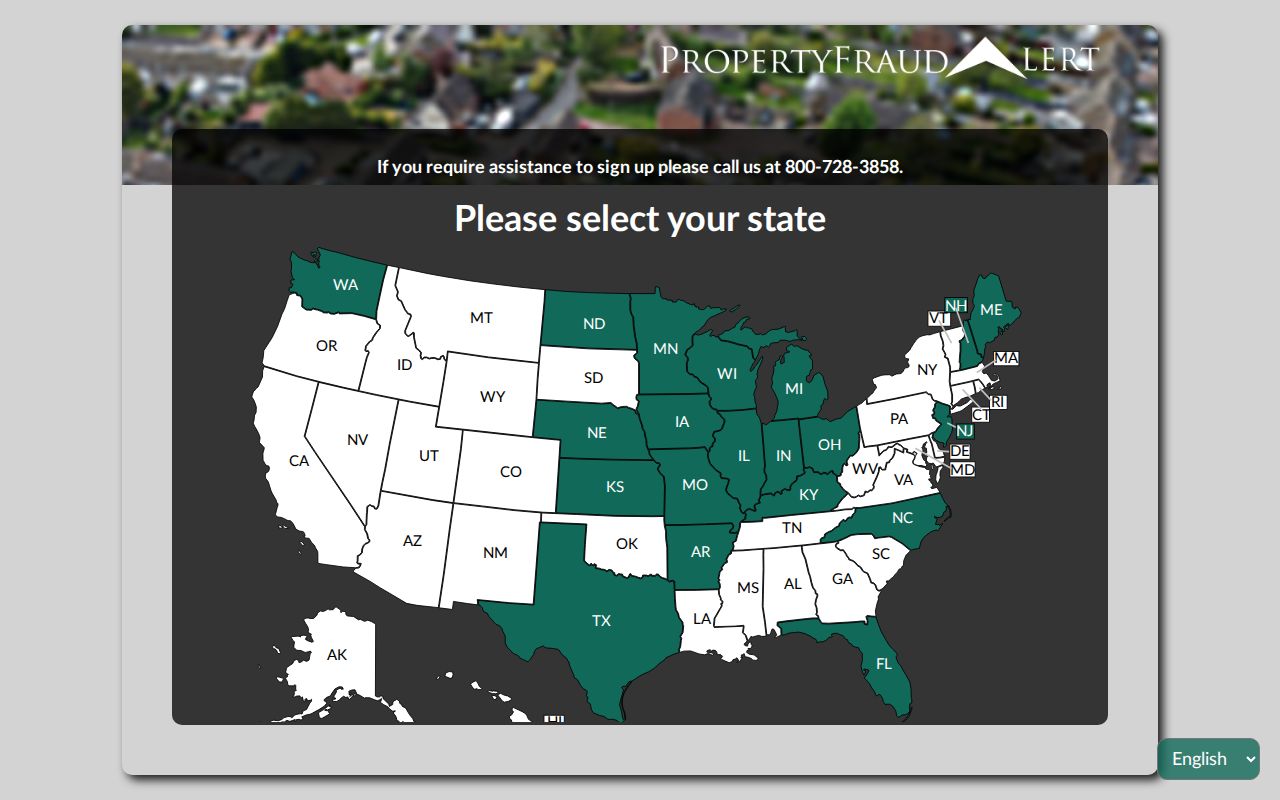
The county page confirms the notification route and shows it works as an alert tool, not as proof of who holds title to a parcel.
Resolve a Recent Johnson Sale
Fresh sales move faster than county databases. Assessment rolls and GIS ownership maps often lag behind a closing by weeks or more. When a seller still shows as the owner of record, write down the roll name and the parcel number. Add the transfer details too. Then ask the Recorder for the latest deed filed against that legal description. Check the recording date against the assessment year. The county's property records do not all refresh at the same moment.
Sometimes no deed turns up. Consider whether the sale actually closed. The instrument may have been rejected. It may also have been recorded under an entity name rather than a person's. A parcel that was split or combined can also hide the match. The Johnson County current owner page walks through the present-owner field in full.
Limits of Johnson Owner Lookups
Ownership data answers one question: who the owner of record is on the land records. It says nothing about who lives at the address. Situs and mailing addresses differ for plenty of ordinary reasons. Indiana's Address Confidentiality Program gives eligible survivors a substitute mailing address. Protected details must never be pieced back together from property, voter, permit, or social clues.
Put owner records to legitimate uses. Purchase research, boundary and easement questions, estate work, fraud prevention, and civic review all qualify. Never contact or target someone simply because a public document lists an address. If a field seems to expose protected information, do not republish it. Contact the custodian instead.
A court docket can support a property search. A business entry, a tax payment, a permit applicant, or a map label can too. None of them should quietly override the owner named in the controlling land record. Keep a source date attached to every name you rely on. That habit keeps a Johnson County ownership conclusion easy to audit. It also stays easy to fix whenever the property records change.
Ownership is not a title opinion. The roll supplies a lead and the deed confirms a recorded transfer, but neither permits harassment or proves every title interest.